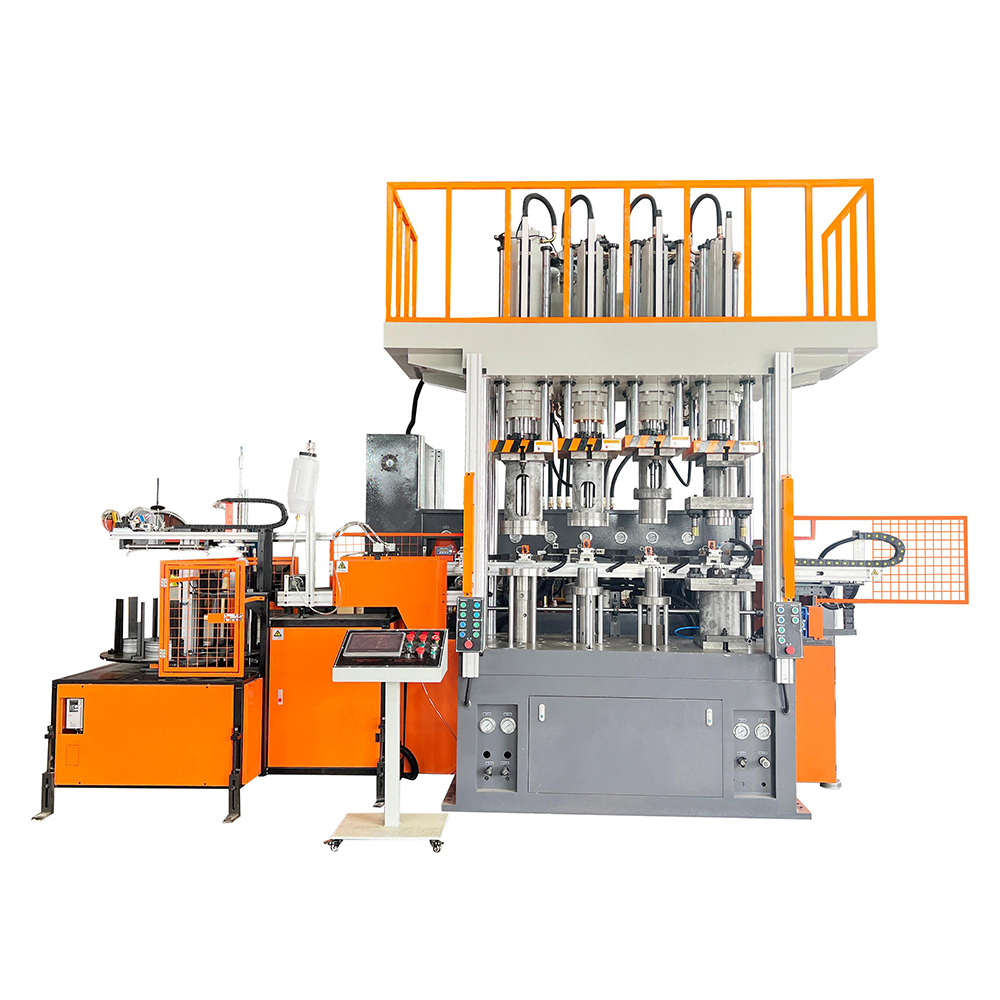
A single microscopic flaw in a fire extinguisher cylinder can cause catastrophic failure under extreme pressure. Manufacturing these life-saving devices demands absolute metallurgical precision. To achieve this level of structural integrity, plant operators require a highly reliable Deep Drawing Machine Set. This specialized equipment acts as the backbone of the production line. It efficiently transforms flat sheet metal into robust, seamless safety vessels. In this comprehensive guide, we will break down how to evaluate, procure, and maintain top-tier deep drawing equipment tailored for modern, high-volume production facilities.
Key Takeaways for Plant Operators
Evaluating industrial manufacturing equipment requires looking past the glossy brochures. You must focus strictly on technical specifications, operational efficiency, and long-term reliability. Investing in the correct machinery dictates the baseline quality of your entire factory. Here are the core principles every procurement manager needs to consider.
Precision is Mandatory: High-quality machinery ensures uniform wall thickness across the entire metal blank. This prevents weak points and structural fatigue during hydrostatic testing.
Tonnage Dictates Capability: Selecting the appropriate hydraulic pressure is crucial. Required force typically ranges from 200 tons to over 600 tons, depending directly on the target cylinder diameter and material thickness.
Automation Boosts Margins: Top-tier machine sets feature advanced Programmable Logic Controller systems. These digital brains reduce manual labor, standardize cycle times, and drastically cut defect rates.
Tooling Flexibility: The most efficient production lines utilize quick die change systems. This allows a single press to manufacture various extinguisher capacities seamlessly.
Regulatory Compliance: Premium machinery guarantees the final product consistently meets strict international fire safety certifications, including DOT, CE, and ISO standards.
Industry Trend Insight: The Shift to Smart Manufacturing
The fire protection manufacturing sector is currently undergoing a massive technological shift. Recent market analyses highlight a surging demand for servo-driven hydraulic presses integrated with modern data monitoring capabilities. Plant operators no longer just want brute force. They demand energy efficiency and digital traceability. Modern equipment must cut energy consumption by up to 40 percent while providing cloud-based analytics to track cycle times and scrap rates. This level of control ensures every single batch meets stringent global safety mandates without wasting raw materials.
Understanding the Mechanics of Cylinder Production
To make an informed purchasing decision, you must first understand the mechanical principles governing this specific category of equipment. The transformation from a flat steel disc to a pressure-rated safety vessel is complex. It requires specialized engineering to manage severe metal deformation.
The Deep Drawing Process Explained
In practical terms, this is a specialized hydraulic press system engineered to force a flat sheet metal blank into a forming die. Under immense hydraulic pressure, the blank undergoes plastic deformation. It smoothly transforms into a seamless, hollow, cup-shaped cylinder. Crucially, this must happen without fracturing or compromising the internal grain structure of the steel.
Why Extinguisher Manufacturing is Unique
General metal forming often deals with shallow automotive panels or simple bends. In stark contrast, fire extinguisher manufacturing requires extraordinarily deep cavities. The depth of the draw often exceeds the diameter of the base itself. This places immense stress on the metal. Specialized hydraulic deep drawing equipment is precisely calibrated to manage this complex material flow. It prevents dangerous thinning at the bottom radius, ensuring the vessel can withstand extreme internal pressurization during an emergency.
Single-Action vs. Double-Action Presses
Industry standards heavily favor double-action machines for cylinder production. A single-action press uses one ram to push the punch. A double-action press, however, utilizes an outer ram to hold the metal blank firmly in place while an inner ram executes the deep draw. This dual-pressure mechanism is absolutely critical. It controls material flow and ensures a smooth, wrinkle-free finish on the extinguisher body.
Core Components of an Industrial Press
A deep drawing press is a complex assembly of specialized subsystems working in perfect synchronization. Understanding the machine's anatomy helps buyers assess build quality and anticipate maintenance requirements.
The Hydraulic Power System
This acts as the heart of the machinery. The hydraulic power unit generates and regulates the massive force required to deform the metal blank. It must feature high-quality proportional valves, leak-free manifolds, and stable fluid temperature regulation. I have seen factory lines halt because of poor hydraulic cooling. Without robust temperature control, hydraulic fluid degrades rapidly, leading to inconsistent drawing force and increased scrap rates.
Advanced Control Panels
The digital interface replaces guesswork with data-driven accuracy. Look for intuitive touchscreen interfaces that allow precise adjustments to pressure parameters, stroke speed, and dwell time. Operators need real-time feedback to keep production running smoothly.
Precision Punch and Die Tooling
These physical molds dictate the exact dimensions of your cylinder. They require high-grade, wear-resistant tool steel. Proper polishing is essential to prevent scratching on the cylinder walls. Even a minor scratch can create a stress concentrator that fails a burst test.
Step-by-Step: Forming the Extinguisher Body
Understanding the operational workflow clarifies how the machine integrates into your broader factory environment. The sequence of events must be highly controlled.
Step 1: Blanking and Lubrication
Before entering the press, the raw material is cut into precise circular discs known as blanks. These blanks are then coated with specialized deep-drawing lubricants. Proper lubrication is an essential variable. It reduces friction between the metal and the die, preventing galling, scoring, and premature tooling wear.
Step 2: The First Draw
The lubricated blank is placed onto the die. The double-action press engages the blank holder to secure the edges. Following this, the main punch descends, forcing the metal into the die cavity. This initial operation forms a shallow, thick-walled cup. The hydraulic system carefully regulates the descent speed to prevent the metal from tearing under immense tension.
Step 3: Redrawing and Ironing
Standard 1kg or 2kg extinguishers may only require a single draw. Larger models, such as 6kg or 9kg fire extinguishers, require a significantly deeper cavity. The initial cup undergoes a second draw to stretch the metal to the correct depth. An ironing process may also be applied. Here, the punch forces the cup through a slightly narrower die ring to thin the walls uniformly and increase the overall length of the cylinder.
Actionable Selection Guide for Procurement
For B2B buyers, matching the machine's technical capabilities to specific production requirements prevents both underperformance and wasted capital. You cannot simply buy the highest tonnage available; you must match the machine to your product line.
Stroke Length and Daylight Opening
Tonnage alone does not guarantee a successful draw. The machine must possess adequate vertical space. The daylight opening refers to the maximum distance between the ram and the bolster plate. The stroke length dictates how far the punch can travel. Tall extinguisher bodies require a long stroke length to push the metal fully into the die, plus enough daylight to safely eject the finished piece without jamming.
Energy Consumption Optimization
Traditional hydraulic presses run induction motors continuously. They consume high amounts of electricity even while idling. Modern specifications, like those found in the Y50 series equipment, often include servo-hydraulic systems. Servo motors only consume power during the active stroke. This significantly reduces overall energy consumption and lowers the facility's operational costs.
Maximizing the Lifespan of Your Equipment
Procuring industrial machinery is a major capital expenditure. To ensure a high return on investment, plant operators must implement strict, documented maintenance protocols.
Routine Hydraulic Maintenance
Contamination, thermal degradation, and fluid aeration are the primary causes of hydraulic pump failure. Plant technicians must perform daily checks on fluid levels via the sight glass. Inspect high-pressure hose fittings for micro-leaks. Ensure the cooling systems maintain fluid temperatures within the optimal 40°C to 50°C range.
Tooling Care and Polishing
The internal and external surface finish of the cylinder is critical. When tooling is swapped out to accommodate different extinguisher capacities, the unused dies must be meticulously cleaned. Polish them to restore their required surface finish, and coat them with a specialized rust-preventive oil before storage.
Conclusion
Fire extinguisher safety inherently starts with a flawless cylinder. A high-quality press prevents dangerous pressure failures in the field, safeguarding end-users and protecting your brand's reputation. Investing in robust manufacturing equipment ensures long-lasting structural integrity and operational efficiency. When upgrading your facility, prioritize precise tonnage, advanced automation, and energy-efficient servo systems. For reliable long-term support and rigorously tested machinery, trust the experts. Visit ZW Fire Safe to explore our premium deep drawing machine set solutions and request a customized technical quote for your production line today.
Frequently Asked Questions
What tonnage is required for a fire extinguisher deep drawing machine set?
The required press capacity depends entirely on the diameter of the metal blank, the thickness of the material, and the ultimate tensile strength of the alloy being formed. For smaller fire extinguishers, a hydraulic press with 200 to 315 tons of force is generally sufficient. For larger commercial and industrial models, the machine requires significantly more power, typically ranging from 400 to over 600 tons.
Can one machine produce different sizes of fire extinguishers?
Yes. Modern presses are highly versatile and designed for multi-product manufacturing. By utilizing a quick die change system, operators can safely and efficiently swap out the punch and die sets to accommodate varying cylinder diameters. The machine's control system allows operators to store and recall specific production recipes, automatically adjusting the stroke length and pressure for the new size.
What materials can be processed with this equipment?
Fire extinguisher cylinders require materials with specific metallurgical properties, primarily high ductility and excellent elongation characteristics. The most common material used is deep-drawing quality cold-rolled carbon steel, such as European grade DC04 or Japanese grade SPCC. Specialized presses can also process austenitic stainless steels for corrosive environments and specific aluminum alloys for lightweight applications.
What is the typical lead time for installing a new production line?
The procurement and installation of heavy-duty industrial pressing equipment is a highly customized process. Generally, the lead time ranges from 60 to 120 days from the date of final design approval. This timeline encompasses custom casting of the steel frame, precision machining, system assembly, rigorous factory acceptance testing, and final on-site commissioning.
How does a double-action hydraulic press differ from a single-action one?
In a single-action press, there is only one moving ram that pushes the punch into the die. This is inadequate for deep cylindrical forming. A double-action press features two independent hydraulic mechanisms. The outer blank holder first descends to clamp the perimeter of the flat metal disc. Once secured, the inner punch descends to draw the metal, preventing the material from wrinkling at the edges or tearing at the base.
How do you prevent wrinkling during deep drawing of cylinders?
Wrinkling is prevented by applying precise and consistent pressure to the edges of the metal blank using the blank holder. If the holding force is too light, the metal buckles and wrinkles as it is pulled into the die. If the force is too high, the metal will tear. Advanced double-action presses use proportional valves to dynamically adjust this cushioning pressure throughout the entire drawing stroke.
What is the best lubricant for deep drawing carbon steel fire extinguishers?
The ideal lubricant must possess high film strength to withstand extreme boundary friction. Heavy-duty water-soluble drawing compounds or highly chlorinated mineral oils are typically used for carbon steel cylinders. The lubricant prevents metal-to-metal contact between the blank and the die, which eliminates galling, reduces tool wear, and ensures a smooth surface finish essential for high-pressure vessels.