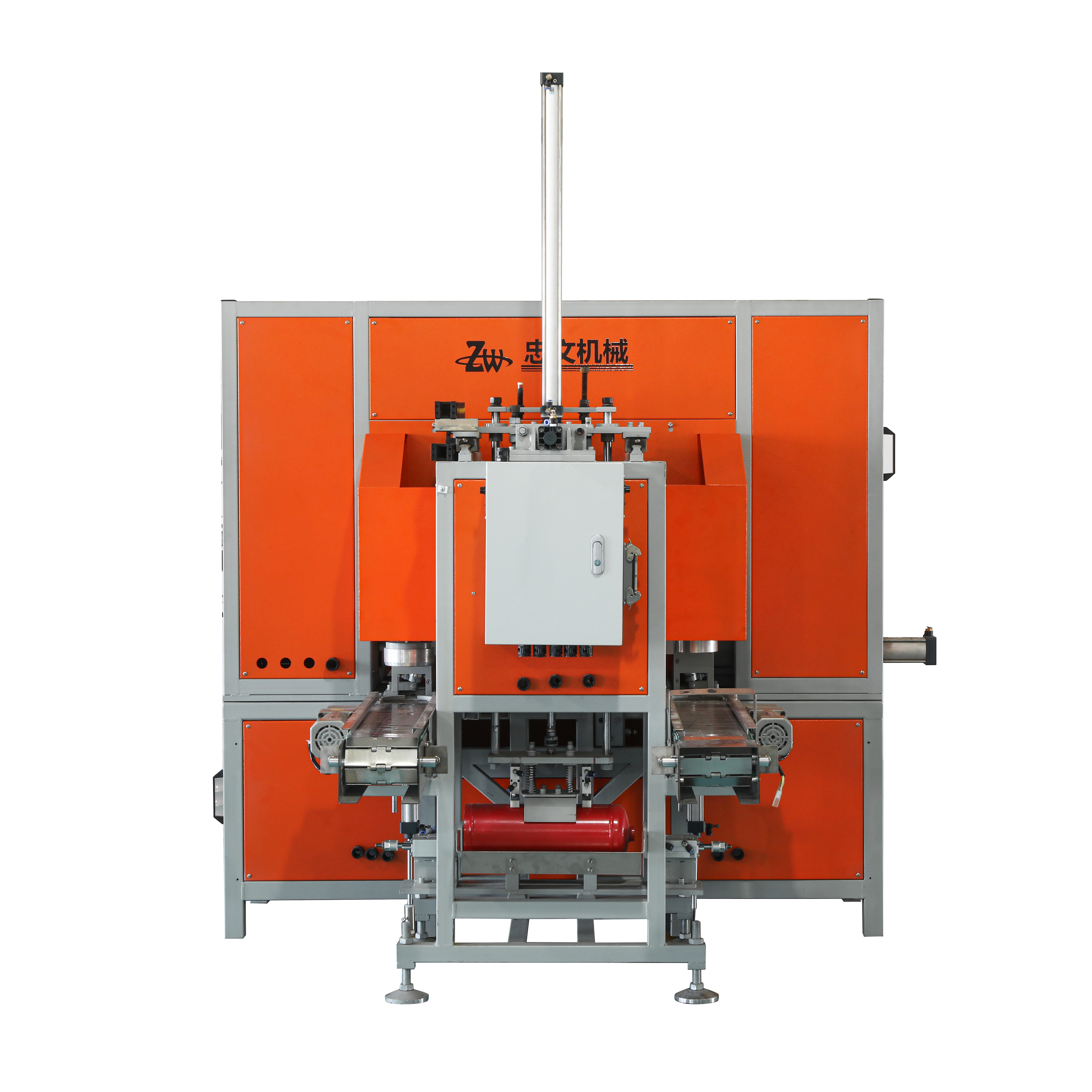
The rising demands of modern manufacturing have completely shifted the production paradigm. Speed and pinpoint precision are no longer optional upgrades. They are mandatory for survival in a highly competitive global market. For decades, plant managers relying on manual joining processes for cylindrical vessels faced a familiar set of challenges. Inconsistent seam profiles, skyrocketing skilled labor costs, and sluggish production rates constantly threatened the bottom line. Worse still is the terrifying risk of structural failure in high-pressure environments.
To overcome these operational bottlenecks, facilities are turning to the Automatic Ring Welding Machine as the ultimate solution. This specialized equipment empowers manufacturers to scale operations rapidly. It drastically improves workplace safety and guarantees flawless cylinder fabrication without relying on a fading pool of master welders. This comprehensive guide explores the mechanics of these systems, their critical industry applications, and how to select the optimal setup for your specific assembly line.
Recent industry analyses reveal a massive shift toward automated fabrication in the pressure vessel sector. Global safety regulations, such as ASME and DOT standards, are tightening. Meanwhile, material costs fluctuate wildly. Manufacturers actively move away from manual dependency to mitigate the severe financial and legal risks of product failure. In today's market, precision automated systems act as the new baseline for compliance. The ongoing shortage of certified welders forces plant managers to rethink assembly lines, and automation bridges this gap perfectly.
Key Takeaways
Unmatched Precision: Automated systems eliminate human error. They deliver the consistent, leak-proof seams absolutely essential for high-pressure vessels.
Skyrocketed Efficiency: Automating the circular joining process slashes cycle times. This effectively multiplies daily output without compromising joint integrity.
Cost Reduction: A lower reliance on highly certified manual labor translates directly to significant operational savings and a measurable ROI.
Versatile Applications: These robust units are ideal for fabricating fire extinguishers, industrial gas tanks, water heaters, and critical automotive components.
Smart Technology: Modern industrial apparatuses feature advanced Programmable Logic Controller interfaces. They are straightforward to operate, monitor, and integrate into existing smart factory floors.
What is an Automatic Ring Welding Machine?
An automatic ring welding machine is specialized industrial machinery engineered to join circular seams on cylindrical objects. Heavy fabrication sectors frequently refer to it as a circumferential welder. Unlike linear setups, this apparatus delivers true 360-degree precision. The primary objective is to lay down a continuous, uniform bead around the circumference of a workpiece. This ensures a level of structural integrity nearly impossible to replicate consistently by hand.
The core mechanism relies on synchronized rotation and stable arc delivery. Operators simply load the raw metallic shell into the fixture. With a satisfying hiss, pneumatic tailstocks clamp the workpiece securely in place. Once locked in, a motorized rotary chuck spins the cylinder at a precisely calibrated speed. As the rotation begins, the torch applies a continuous, unwavering arc. It deposits filler material evenly to create a seamless joint.
Core Components and Mechanics
Understanding the architecture of this equipment helps in evaluating its actual operational capabilities. A standard industrial setup comprises several critical components working in perfect harmony.
Welding Power Source: The beating heart of the operation. It provides the necessary electrical current for specific thermal processes like TIG, MIG, MAG, or Plasma.
PLC Interface: Acting as the brain of the machine, the controller allows technicians to input highly specific parameters. These include rotation speed, overlap angle, arc delay, and current decay.
Pneumatic Clamping Systems: These mechanisms ensure the workpiece remains perfectly aligned on its central axis. A working air pressure of 0.4 to 0.6 MPa guarantees the cylinder will not slip during rotation.
Precision Rotary Motors: High-torque servo motors drive the chuck. They maintain an absolute constant rotational speed, directly dictating the travel speed of the weld pool.
Automated Torch Adjustment: This allows for micro-adjustments of the torch angle and standoff distance. It maintains a flawless arc length throughout the entire 360-degree cycle.
Manual vs. Automatic Ring Welding
To truly grasp the value of automation, one must compare it directly with traditional manual methods. Hand-welding circular seams requires the operator to physically maneuver around the cylinder. Trying to maintain a rock-steady hand inevitably leads to vulnerable stop-and-start points.
Feature
Manual Welding
Automated Circular Welding
Seam Consistency
Highly variable. Heavily dependent on operator skill and fatigue levels.
Exceptionally uniform. Precise mechanical control over heat input and travel speed.
Defect Rate
Elevated risk of porosity, undercut, and dangerous overlap flaws.
Extremely low. A continuous 360-degree arc fundamentally eliminates overlap vulnerabilities.
Production Speed
Sluggish. Requires manual setup, constant repositioning, and frequent breaks.
Rapid and continuous. Drastically reduces cycle times per finished unit.
Post-Weld Processing
Often demands extensive grinding and abrasive cleaning of erratic spatter.
Yields clean, aesthetically pleasing beads with minimal to zero spatter.
In contrast to manual labor, the automated process fundamentally strips away the structural vulnerabilities associated with human fatigue. It results in a superior aesthetic finish and reliable, pressure-ready integrity.
The Crucial Role of Precision in Cylinder Production
Within the context of cylinder manufacturing, precision is not merely an aesthetic preference. It is a non-negotiable safety requirement. Items such as fire extinguishers, oxygen tanks, and industrial gas storage units confine volatile contents under extreme pressure. In these high-stakes environments, a single microscopic flaw can quickly escalate into a catastrophic failure. A pinhole leak or a brittle heat-affected zone often leads to rapid depressurization or violent explosions.
Ensuring Structural Integrity and Safety
Imagine a shop floor at the end of a grueling ten-hour shift. A manual welder is fatigued. Their hand wavers slightly, and travel speed inevitably fluctuates. If they move too slowly, excessive heat input causes a burn-through. This widens the heat-affected zone and severely weakens the base metal. If they rush, the joint lacks proper penetration.
An automated system guarantees structural integrity by strictly controlling three vital variables: arc length, travel speed, and heat input. The machinery maintains a constant programmed velocity and continuous thermal delivery. This unwavering uniformity prevents weak spots, warping, and uneven stress distribution along the seam. It ensures the finished cylinder safely withstands its designated burst pressure ratings.
Meeting Strict Industry Standards
Manufacturers of pressure vessels operate under incredibly stringent regulatory frameworks. Finished goods must routinely comply with international safety and quality certifications. Because the PLC records and governs the exact parameters of every single cycle, manufacturers achieve repeatable precision. This traceability is invaluable during quality control audits and batch testing. It proves unequivocally that every cylinder rolling off the line meets required safety thresholds.
Key Features of a Top-Tier Automatic Ring Welding Machine
Not all automated systems are engineered to the same exacting standards. When evaluating equipment to integrate into a busy production line, distinguishing between basic models and premium machinery is essential. This ensures long-term reliability.
Advanced PLC Control Systems
The sophistication of the PLC dictates the machine's overall versatility. Top-tier machines feature intuitive, high-resolution touchscreen interfaces. Floor operators program complex weld recipes with a few simple taps. A technician easily inputs the exact travel speed and arc ignition time. Technicians often set the rotation angle slightly over 360 degrees. This specific adjustment ensures a secure, watertight overlap. Furthermore, premium PLCs offer expansive memory storage for different product sizes, enabling rapid changeovers between batches.
High-Precision Rotary Chucks and Positioning
The visual and structural quality of a circular seam ties directly to the smoothness of the cylinder's rotation. Premium machines utilize heavy-duty, anti-backlash rotary systems driven by high-torque servo motors. This robust engineering ensures the workpiece spins fluidly without micro-vibrations. Even minor mechanical stuttering during the thermal process causes the arc to waver, leading to irregular bead profiles.
Seamless Integration and Customization
A standalone machine improves a single isolated process. However, a highly customizable Automatic Ring Welding Machine elevates the entire factory floor. Standard industrial units seamlessly handle cylinder diameters ranging from 100mm up to 400mm. High-end models can be configured to support various thermal processes. They electronically synchronize with wire forming machines and automated hydrostatic testing stations. This creates a fully autonomous assembly loop.
Business Benefits of an Automatic Ring Welding Machine
Transitioning from manual procedures to automated technology requires a calculated initial capital expenditure. However, the business case for this machinery builds on a rapid, highly measurable Return on Investment. Explosive output growth, slashed operational costs, and minimized material waste drive this ROI.
Maximizing Production Efficiency and Output
The most immediate benefit of implementation is the drastic reduction in cycle times. A human operator must set up, strike the arc, stop, inspect, and manually reposition the heavy metal. An automated machine executes the task in a single, fluid motion. Empirical industry data indicates an automated circular setup produces three to five times more units per hour compared to a standard manual station. This exponential increase in throughput allows facilities to fulfill larger contracts and meet tighter shipping deadlines.
Reducing Labor Costs and Human Error
Retaining personnel capable of executing flawless circumferential seams is both difficult and prohibitively expensive. An automated machine shifts this heavy labor requirement from a specialized tradesperson to a trained machine operator. One operator frequently loads, unloads, and monitors the PLC of multiple machines simultaneously. This drastically reduces direct payroll expenses. By removing human fatigue from the equation, the scrap rate caused by defective joints plummets.
Industrial Applications for Automatic Ring Welding Machines
The inherent versatility of circumferential automation makes it a cornerstone technology across lucrative industrial sectors. Any product relying on a sealed, pressurized cylindrical body benefits immensely.
Fire Extinguisher Manufacturing
Fire safety equipment must adhere to uncompromising international standards. Extinguishers are essentially pressurized vessels that must hold chemical suppressants for years without losing an ounce of pressure. The Automatic Ring Welding Machine serves as the absolute backbone of fire extinguisher production lines. They flawlessly join deep-drawn metallic domes to the main body. The exact thermal control prevents relatively thin metal from warping.
Pressure Vessels and Gas Cylinders
The fabrication of industrial gas storage units and commercial propane tanks demands deep penetration and zero-porosity joints. In these heavy-duty applications, automated systems utilize high-amperage MIG setups. Motorized rotation ensures heavy, thick-walled carbon steel cylinders receive consistent heat input. This prevents the formation of hidden micro-cracks that lead to failure under immense internal pressure.
How to Choose the Best Automatic Ring Welding Machine
Selecting the appropriate machinery for your assembly line requires a calculated assessment of operational bottlenecks. Purchasing equipment that does not align with your specific material requirements leads to unnecessary expenditure. Follow these concrete engineering standards.
Assessing Your Production Volume Needs
Evaluate your daily output requirements first. If your facility produces a moderate volume of custom cylinders, a single-torch setup is highly cost-effective. However, if you operate a high-volume continuous manufacturing plant, invest in a fully automatic dual-torch machine. Dual-torch systems weld both the top and bottom caps of a vessel simultaneously. This immediately cuts the cycle time in half.
Evaluating Material Compatibility
Different metals behave vastly differently under extreme thermal stress. Match the power source to your specific material thickness. If you fabricate thin-walled stainless steel water heaters under 3mm thick, a TIG power source is strictly required. It provides precise, low-heat, spatter-free joints. Conversely, if you produce thick-walled carbon steel tanks exceeding 4mm, a robust MIG or Submerged Arc setup is necessary to achieve the required depth of root penetration.
Partnering with Reliable Manufacturers
Industrial fabrication equipment is a long-term investment. Purchase from reputable suppliers offering transparent technical specifications and robust warranties. Ensure the machine is built with high-grade pneumatic clamps and reliable servo motors. Expert technical support minimizes unexpected downtime.
Maintenance Tips for Your Automatic Ring Welding Machine
Understanding the total cost of ownership involves recognizing routine maintenance. Proper upkeep extends equipment lifespan and ensures seam quality remains flawless over millions of cycles.
Daily and Weekly Maintenance Checklists
Implementing a strict preventative maintenance schedule prevents costly downtime. Operators should perform the following routine checks.
Daily Torch Assembly: Clean the nozzle and replace worn contact tips. Meticulously remove spatter buildup to ensure uninterrupted shielding gas flow.
Daily Clamping System: Check pneumatic air pressure gauges. Inspect hoses for microscopic leaks to maintain a secure 0.4 to 0.6 MPa clamping force.
Weekly Rotary Mechanism: Apply industrial lubricant to the chuck bearings and gears. Inspect drive belts for fraying to guarantee smooth rotation.
Weekly Power Source: Inspect all heavy-duty grounding cables for wear. A secure ground prevents voltage drops.
Solving Common Welding Defects
Even with highly automated systems, improper PLC settings occasionally cause defects. Understanding how to troubleshoot these issues is essential for floor technicians.
If porosity occurs, it is rarely a mechanical movement error. It almost always indicates inadequate shielding gas coverage. Operators should verify cylinder pressure, check flow meter settings, and ensure factory fans aren't blowing protective gas away from the weld pool.
If burn-through is observed, the heat input is simply too high for the material thickness. Access the touchscreen PLC and either increase the rotational travel speed or slightly decrease the voltage.
Conclusion
Automating your cylinder production fundamentally transforms both the safety and speed of your facility. It provides the precise, reliable, and continuously uniform seams that high-pressure applications demand. Shifting the burden of precision from human hands to mechanized control drastically reduces costly errors and minimizes material waste.
In today's fiercely competitive manufacturing landscape, upgrading your assembly line yields a rapid return on investment. Evaluate your current production bottlenecks and choose top-tier machinery to elevate your daily output. For facilities ready to scale safely and efficiently, integrating a high-performance Automatic Ring Welding Machine from ZW Fire Safe ensures seamless operation, unmatched durability, and absolute structural integrity.
FAQ
How fast is an Automatic Ring Welding Machine compared to manual welding?
Depending on the cylinder diameter and material thickness, an automated machine completes a circumferential seam in a fraction of the time required by manual labor. By eliminating arc start-stop times, manual repositioning, and post-weld grinding, these machines often increase production speeds by 300% to 500%. They maintain this rapid pace consistently throughout an entire shift without suffering from human fatigue.
Can an Automatic Ring Welding Machine weld different types of metals?
Yes. The capability depends entirely on the integrated power source and selected shielding gas. By equipping the system with the appropriate technology, it flawlessly joins carbon steel, stainless steel, aluminum alloys, and specialized high-strength metals.
What is the expected ROI on an automatic ring welder?
While the upfront capital expenditure is higher than purchasing standard manual equipment, the return on investment is highly favorable. Based on industry averages, facilities typically realize ROI within 8 to 18 months. Drastically reduced skilled labor expenses and massively increased daily output drive this rapid cost recovery.
What is the maximum cylinder diameter an automatic ring welder can handle?
Standard industrial units typically accommodate cylinder diameters ranging from 100mm to 400mm. However, customized configurations are readily available for large pressure vessels exceeding 1000mm in diameter. Adjustable tailstocks and variable pneumatic clamps allow for rapid changeovers between different batch sizes.
How do you control the heat-affected zone in circular welding?
The heat-affected zone is strictly managed through the advanced PLC interface. By programming precise travel speeds and utilizing pulsed current settings, the machine minimizes excess thermal input. This highly controlled thermal delivery prevents the base metal from warping or becoming brittle.
Do I need specialized training to operate an Automatic Ring Welding Machine?
No intensive manual welding background is required. Modern automated machines feature intuitive touch-screen PLC interfaces. Operators primarily require basic orientation on how to safely load cylinders, select pre-programmed recipes for specific materials, and perform routine preventative maintenance.